September 10, 2026
Every successful building project relies on a stable, meticulously prepared foundation long before concrete pours or wooden framing rises into the air. Land development encompasses far more than simply clearing trees or leveling surface dirt; it requires detailed earthmoving processes that reshape raw terrain into a secure, structurally sound building site. Proper ground preparation ensures that structural loads remain balanced, soil density withstands heavy weight, and rainwater flows safely away from permanent structures. Skipping or rushing preliminary site preparation invites severe structural hazards, including foundational cracking, soil erosion, subterranean water intrusion, and costly property damage over time. Establishing correct ground contours safeguards your building investment, preserves surrounding landscapes, and guarantees long-term structural integrity across shifting weather cycles. Partnering with seasoned ground site specialists transforms unstable terrain into a solid, resilient foundation capable of supporting complex architectural plans. Understanding fundamental earthworking principles empowers property owners to make informed decisions before ground breaking begins, protecting project budgets and ensuring seamless construction timelines.
Establishing Structural Stability and Load-Bearing Support
Constructing heavy residential or commercial facilities requires subgrade soil capable of bearing immense weight without shifting or settling unevenly. Raw topsoil contains organic matter, air pockets, and variable moisture levels that render it inherently unstable for heavy structural loads. Through systematic earthmoving techniques, specialized crews clear weak surface material, compact deep subgrade layers, and establish precise elevation contours across the entire footprint.
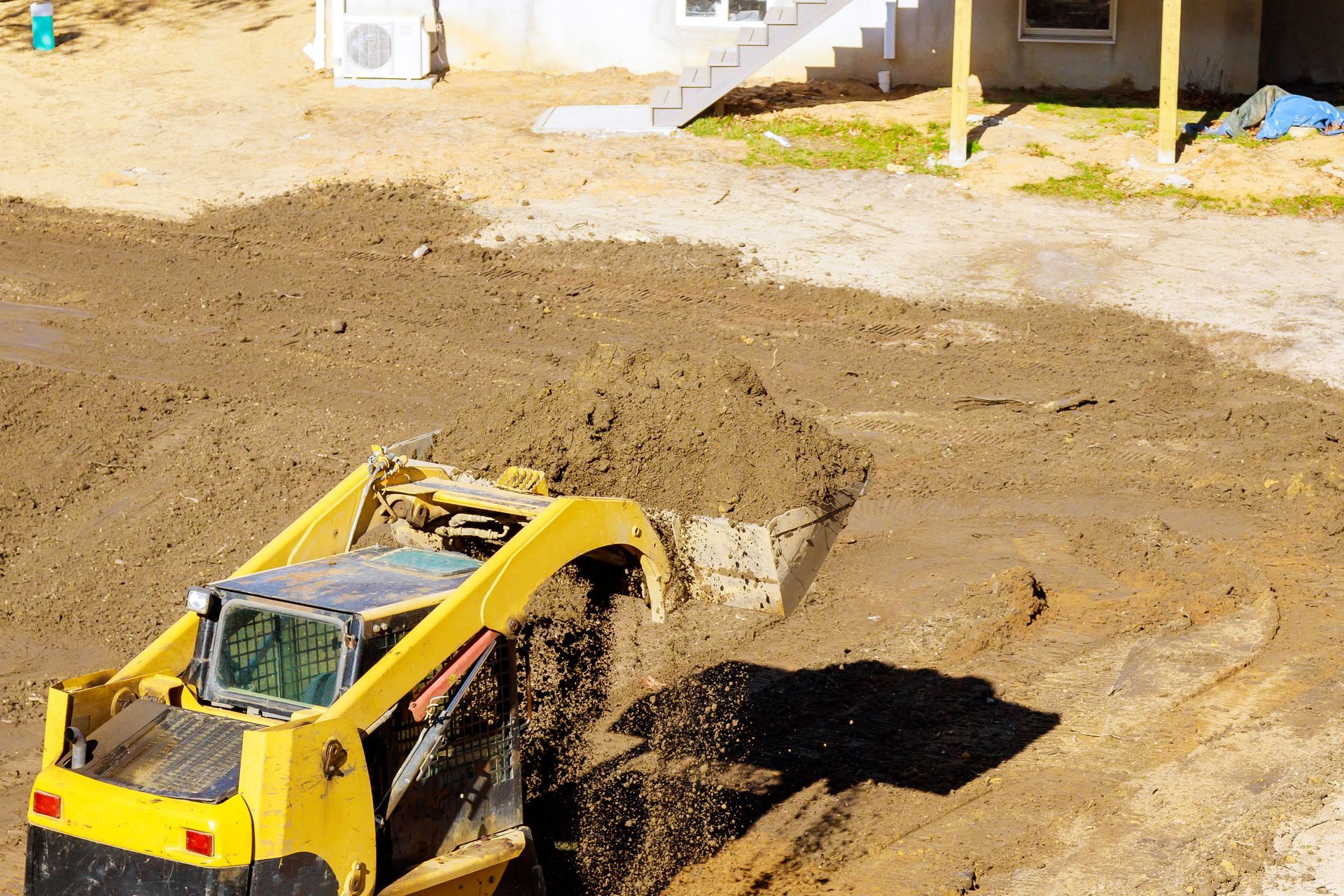
Professional excavating contractors utilize heavy machinery to compress underlying soil particles, eliminating voids that cause structural sinking and foundation shifting. Furthermore, establishing balanced elevation planes prevents localized pressure points that lead to cracked slab foundations, misaligned door frames, and compromised structural integrity. Comprehensive subgrade preparation ensures that foundational footings rest on dense, uniform earth, distributing weight evenly across the building site. Investing in proper foundational earthwork preserves structural stability, preventing expensive repairs and keeping your building safe, square, and secure for decades.
Preventing Destructive Surface and Subterranean Water Accumulation
Uncontrolled water accumulation represents among the most destructive environmental threats to finished buildings, capable of compromising foundations, eroding soil, and ruining finished interiors. Land grading shapes the terrain to direct rainwater and snowmelt safely away from building perimeters toward designated retention basins or municipal storm systems. Without correct slope angles, surface runoff pools along foundation walls, exerting hydrostatic pressure that forces moisture through concrete pores and masonry joints. Working alongside licensed excavating contractors allows property owners to implement precise drainage profiles, French drain channels, and swales that divert water away from vulnerable building zones. Controlled surface slopes eliminate standing water hazards, preventing damp basements, mold growth, and soil saturation around structural footings. Managing site hydrology through strategic land contouring protects foundational masonry from water pressure, safeguarding interior living environments and preserving structural health through heavy rainstorms.
Retaining Unstable Soil with Engineered Earthwork Structures
Steep slopes, rolling hills, and variable terrain often require specialized retaining structures to hold back massive volumes of earth and create level, usable construction pads. Unmanaged hillsides present severe erosion risks, landslides, and soil migration that can overwhelm nearby foundations and outdoor living areas. Constructing engineered retaining walls and terraced slopes stabilizes loose earth, preventing structural shifting and expanding usable building space across challenging landscapes. According to This Old House, a four-foot-high, 15-foot long retaining wall can hold back as much as 20 tons of saturated soil. Calculating these extreme load dynamics highlights the absolute necessity of precision earthwork and professional installation. Experienced excavating contractors excavate secure footings, backfill engineered drainage aggregates, and compact surrounding soil layers to support heavy retaining walls. Proper soil retention protects surrounding structures, stabilizes steep property boundaries, and ensures that elevated ground remains secure under extreme weather stress.
Mitigating Soil Erosion and Preserving Neighboring Landscapes
Uncontrolled soil erosion during and after construction damages site aesthetics, pollutes local watersheds, and undermines surrounding structural footings. When heavy rainfall strikes bare, uncompacted earth, flowing water strips away valuable topsoil, creates deep gullies, and deposits sediment onto neighboring properties or public roadways. Systematic site contouring establishes gentle, controlled slope transitions that slow surface water velocity, allowing moisture to absorb naturally into the ground without scouring loose earth away. Certified excavating contractors implement silt fences, erosion control blankets, and strategic swales during site preparation to trap sediment and protect surrounding ecosystems. Managing runoff speed preserves the integrity of finished grades, keeping hydroseeded lawns and garden beds intact once landscaping begins. Controlling soil movement safeguards neighboring properties, ensures compliance with environmental regulations, and preserves the natural beauty of your surrounding landscape across every season.
Simplifying Subterranean Utility Installations and Infrastructure Layouts
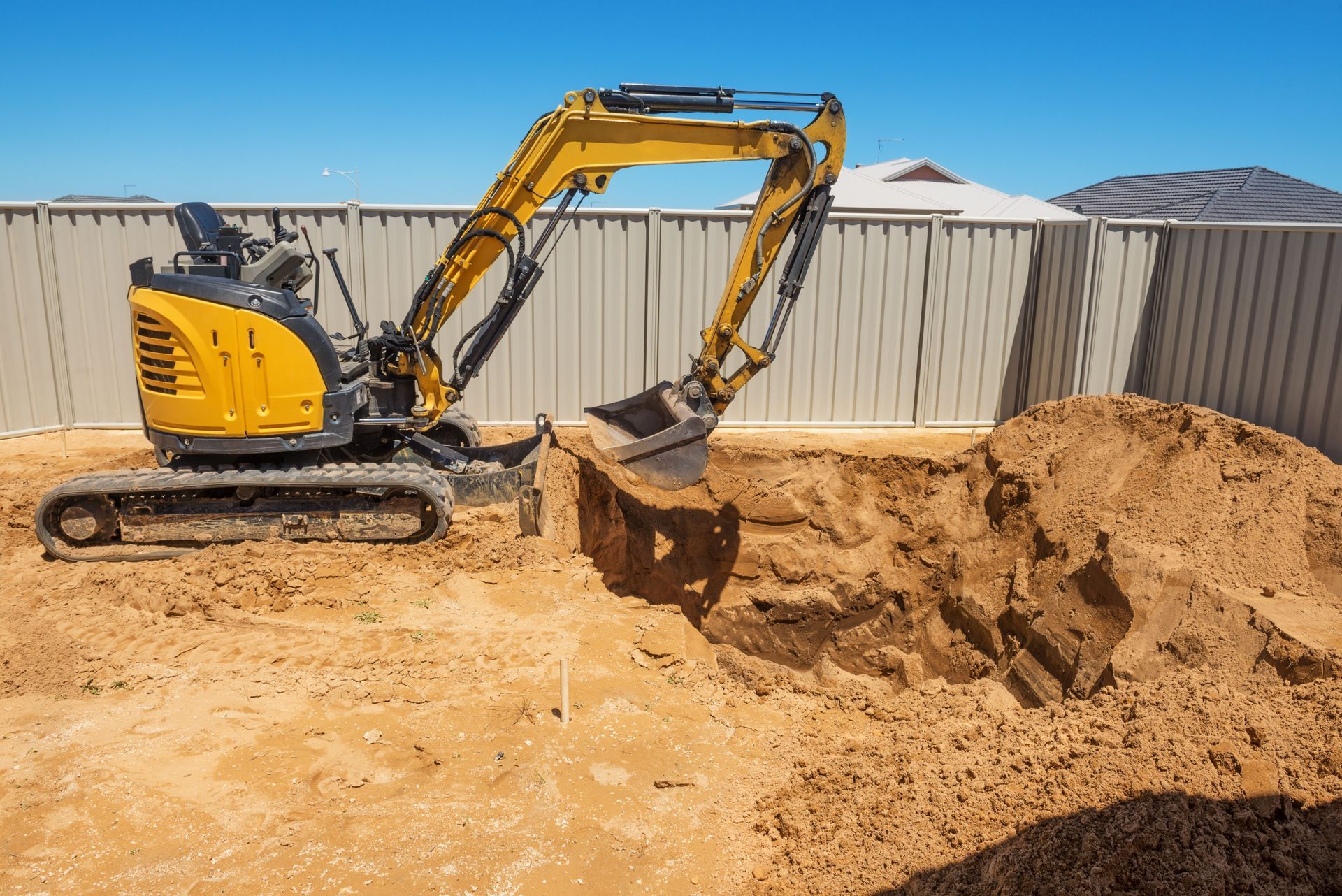
Modern construction sites require extensive underground utility networks, including freshwater supply lines, sewer mains, electrical conduits, gas pipes, and stormwater drainage systems. Installing these critical infrastructure lines requires precise trenching, proper bedding preparation, and accurate depth management across variable terrain. Prior ground leveling simplifies utility placement by establishing uniform surface elevations, eliminating deep dips or steep rises that complicate pipe slope calculations. Partnering with skilled excavating contractors guarantees that utility trenches are dug to exact depth specifications, protecting subterranean lines from freeze-thaw cycles and surface weight pressure. Proper backfilling and aggregate compaction around buried conduits prevent future ground settling, which can bend, crack, or sever vital utility connections over time. Streamlining utility installation protects essential building systems, lowers site development costs, and ensures long-term operational reliability for commercial and residential properties alike.
Optimizing Overall Construction Timelines and Budget Allocations
Rushing preliminary site preparation to start building framing earlier often results in costly project delays, structural rework, and budget overruns later in the construction process. Correcting improper slope angles or unstable soil after concrete foundations are poured requires expensive retrofitting, specialized underpinning, and invasive site repairs that disrupt trade workflows. Completing thorough land grading before construction begins creates an organized, level work site that allows framing crews, concrete trucks, and material suppliers to operate efficiently and safely. Relying on reputable excavating contractors provides project managers with reliable site timelines, accurate earthwork estimates, and smooth trade transitions. Proper site preparation prevents unexpected delays caused by mud accumulation, equipment immobilization, or structural settling during construction. Investing in expert ground site work from the start protects overall project budgets, streamlines trade operations, and ensures timely project completion.
Comprehensive land preparation serves as the foundational cornerstone for every successful construction project, establishing structural load support, controlled site drainage, soil retention, erosion mitigation, and simplified utility layouts. Prioritizing accurate elevation planning, proper soil compaction, and strategic slope design prevents costly structural failures and keeps building projects moving forward without unexpected interruptions.
At WM Earthworks, our dedicated team brings extensive industry experience, advanced earthmoving machinery, and an unwavering commitment to precision on every site preparation project we manage, ensuring your build rests on a stable, perfectly contoured foundation. We understand that every property presents unique terrain challenges, soil conditions, and structural demands. That is why our skilled operators collaborate closely with project managers, engineers, and property owners from initial site clearing through final grade finishing. By utilizing cutting-edge GPS grading technology and time-tested compaction techniques, we deliver meticulous earthwork that protects your structural investment and streamlines the entire construction process. Whether you are preparing a residential lot, developing a commercial building pad, or installing engineered retaining structures, we provide the expertise and reliability required for lasting success. Contact us today to schedule your comprehensive site evaluation and discover how expert earthworking sets the stage for a flawless build.